
Effective Herbal Remedies for Arthritis Pain Relief and Management
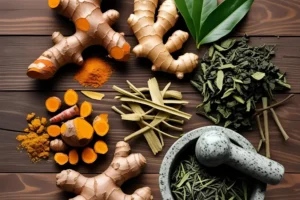
Living with arthritis doesn’t have to mean resigning yourself to constant pain and stiffness. While conventional treatments play a crucial role in managing this condition, nature offers a treasure trove of powerful remedies that have been soothing inflamed joints for centuries. From the golden spice turmeric to the warming comfort of ginger, these natural allies work alongside your treatment plan to provide relief and restore mobility.
Throughout this comprehensive guide, we’ll explore evidence-based herbal solutions that can transform your arthritis management approach. You’ll discover not only what works but also how to use these remedies safely and effectively. Let’s embark on this healing journey together, one herb at a time.
Understanding Arthritis: When Joints Cry Out for Help

Before diving into nature’s pharmacy, it’s essential to understand what we’re treating. Arthritis encompasses over 100 different conditions that affect joints, surrounding tissues, and other connective tissues. The two most common types are osteoarthritis, which develops when cartilage wears down over time, and rheumatoid arthritis, an autoimmune condition where the body’s immune system attacks healthy joint tissue.
Both conditions share common symptoms: persistent pain, stiffness, swelling, and reduced range of motion. These symptoms occur because inflammation becomes the body’s default response, even when it’s no longer helpful. This chronic inflammatory state damages joint tissue and intensifies pain signals, creating a cycle that conventional medications alone sometimes struggle to break.
Understanding this inflammatory process helps explain why many herbal remedies work so effectively. Plants contain natural compounds that interrupt inflammation pathways, reduce pain signals, and support tissue repair. Unlike synthetic medications that often target single pathways, herbs typically work through multiple mechanisms simultaneously, offering more comprehensive relief.
For deeper insight into arthritis mechanisms and natural approaches, Dr. Andrew Weil’s comprehensive guide “Natural Health, Natural Medicine” provides excellent foundational knowledge that complements herbal treatment strategies.
The Golden Powerhouse: Turmeric and Curcumin
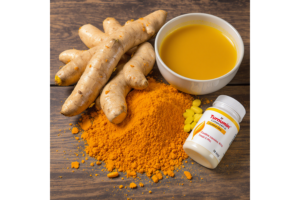
Turmeric stands as perhaps the most researched and celebrated anti-inflammatory herb in modern medicine. This vibrant golden spice contains curcumin, a powerful compound that can improve the symptoms and reduce inflammation in those with arthritis. What makes turmeric particularly remarkable is its ability to target multiple inflammatory pathways simultaneously, effectively interrupting the cascade of events that leads to joint pain and tissue damage.
Recent clinical trials have demonstrated that curcumin can be as effective as conventional pain medications for arthritis relief. A review of 8 studies found that taking 1,000 mg of curcumin was as effective at reducing joint pain as certain pain medications in those with arthritis. However, raw turmeric powder has relatively low bioavailability, meaning your body struggles to absorb and utilize the beneficial compounds effectively.
To maximize turmeric’s therapeutic benefits, consider these proven strategies:
Enhanced Absorption Methods:
- Combine turmeric with black pepper (piperine enhances curcumin absorption by up to 2000%)
- Mix with healthy fats like coconut oil or olive oil
- Take with meals to improve digestion and absorption
- Consider standardized curcumin extracts for higher potency
Practical Applications:
- Golden milk: Mix 1 teaspoon turmeric powder with warm milk and a pinch of black pepper
- Cooking: Add liberally to curries, soups, and rice dishes
- Supplements: 500-1000mg curcumin daily with meals
Safety considerations include potential interactions with blood-thinning medications and the possibility of increased bleeding during surgery. When taken by mouth or applied to the skin, turmeric — and the curcumin it contains — appears to be generally safe when limited to less than 8 grams a day.
For comprehensive information about turmeric’s medicinal properties and safe usage, herbalist David Hoffmann’s “Medical Herbalism” offers detailed guidance on dosing and preparation methods.
Ginger: The Warming Healer
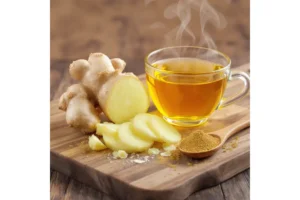
Ginger brings warmth and healing to arthritic joints through its unique combination of anti-inflammatory and pain-relieving compounds. A randomized controlled trial in 2019 found that ginger can help to reduce inflammation in those with RA. This humble root contains gingerols and shogaols, powerful compounds that inhibit inflammatory enzymes and reduce pain signals.
What distinguishes ginger from other pain-relieving herbs is its ability to improve circulation while reducing inflammation. This dual action brings healing nutrients to affected joints while helping remove inflammatory waste products. Additionally, ginger’s warming properties make it particularly beneficial for people who experience increased stiffness in cold weather.
Optimal Dosing and Preparation: For arthritis, experts recommend about 250 mg of ginger three or four times a day. This can be achieved through various methods:
- Fresh ginger tea: Steep 1-2 inches of fresh ginger root in hot water for 10-15 minutes
- Powdered ginger: 1/4 teaspoon in smoothies or warm drinks
- Ginger supplements: Follow manufacturer’s instructions for standardized extracts
- Topical applications: Ginger-infused oils for direct joint massage
Preparation Tips:
- Peel fresh ginger with a spoon edge to minimize waste
- Freeze ginger for easier grating
- Combine with honey and lemon for improved taste and additional anti-inflammatory benefits
Ginger is generally well-tolerated, but those taking blood-thinning medications should consult healthcare providers before using therapeutic doses. Pregnant women should limit intake to culinary amounts.
The classic herbal reference “The Modern Herbal Dispensatory” by Thomas Easley provides detailed instructions for preparing ginger remedies and understanding its therapeutic actions.
Willow Bark: Nature’s Original Aspirin
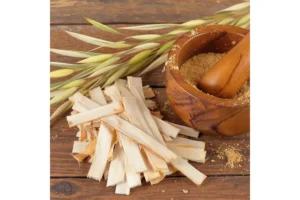
Long before aspirin filled medicine cabinets, ancient healers turned to willow bark for pain relief. This remarkable tree bark contains salicin, a compound that converts to salicylic acid in the body – the same active ingredient found in aspirin. However, willow bark offers advantages over synthetic alternatives, providing sustained relief with fewer gastrointestinal side effects.
Willow bark works by inhibiting cyclooxygenase enzymes, which play key roles in inflammation and pain signaling. Unlike aspirin’s immediate but short-lived effects, willow bark provides gradual, long-lasting relief that many find more sustainable for chronic conditions.
Traditional Preparation Methods:
- Decoction: Simmer 1-2 teaspoons of dried bark in 1 cup water for 10-15 minutes
- Tincture: Take 1-2 ml three times daily
- Standardized extracts: Follow manufacturer’s dosing guidelines
Safety Considerations: Willow bark carries similar precautions to aspirin, including potential interactions with blood-thinning medications and contraindications for those with aspirin allergies. However, many people who cannot tolerate aspirin find willow bark gentler on their stomach.
The dosing typically ranges from 60-240mg of salicin daily, depending on individual needs and tolerance. Start with lower doses and gradually increase as needed, always under healthcare provider guidance.
For historical context and traditional uses, herbalist Matthew Wood’s “The Practice of Traditional Western Herbalism” offers fascinating insights into willow bark’s therapeutic applications.
Green Tea: The Antioxidant Powerhouse
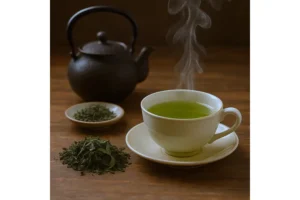
Green tea transforms arthritis management through its rich concentration of polyphenols, particularly epigallocatechin gallate (EGCG). These powerful antioxidants neutralize free radicals that contribute to joint inflammation and cartilage destruction. Regular green tea consumption helps create an anti-inflammatory environment throughout the body, supporting overall joint health.
Research indicates that green tea’s polyphenols can slow cartilage breakdown while promoting healthy joint function. The catechins in green tea also support the body’s natural repair processes, potentially slowing arthritis progression over time.
Optimal Brewing and Consumption:
- Use water heated to 160-180°F (not boiling) to preserve delicate compounds
- Steep for 3-5 minutes for optimal extraction
- Consume 3-4 cups daily for therapeutic benefits
- Consider adding lemon to enhance antioxidant absorption
Enhancing Benefits:
- Combine with turmeric for synergistic anti-inflammatory effects
- Add fresh mint for digestive support
- Include honey for additional anti-inflammatory properties
While green tea is generally safe, its caffeine content may affect sensitive individuals. Those taking blood-thinning medications should monitor their intake, as green tea can enhance these medications’ effects.
Dr. Andrew Weil’s “Healthy Aging” discusses green tea’s role in supporting healthy aging and managing inflammatory conditions naturally.
Boswellia: The Frankincense Tree’s Gift

Boswellia serrata, commonly known as Indian frankincense, offers unique anti-inflammatory properties that specifically target joint health. This ancient remedy contains boswellic acids, compounds that inhibit 5-lipoxygenase, an enzyme crucial in the inflammatory process. Unlike many anti-inflammatory medications, boswellia typically doesn’t cause stomach irritation, making it an excellent option for long-term use.
Clinical studies have demonstrated boswellia’s effectiveness in reducing joint pain and improving mobility. Its unique mechanism of action complements other anti-inflammatory herbs, making it valuable in combination protocols.
Standardization and Dosing:
- Look for extracts standardized to 60-70% boswellic acids
- Typical dosing ranges from 300-400mg three times daily
- Take with meals to enhance absorption and reduce potential stomach upset
Quality Considerations: Choose reputable brands that provide third-party testing for purity and potency. Boswellia quality can vary significantly between manufacturers, affecting therapeutic outcomes.
The renowned herbalist Christopher Hobbs details boswellia’s traditional uses and modern applications in “Herbal Remedies for Dummies”, providing practical guidance for incorporating this powerful herb into arthritis management protocols.
Powerful Herbal Combinations for Enhanced Relief
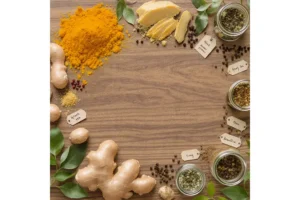
While individual herbs offer significant benefits, combining them strategically can create synergistic effects that surpass single-ingredient approaches. Curcumin-an effective ingredient in turmeric with anti inflammatory property-plays an important role in protecting the joints against destructive factors. Gingerols and piperine, are the effectiv compounds that work together to enhance therapeutic outcomes.
The Golden Trinity: Turmeric, Ginger, and Black Pepper This combination has gained recognition for its remarkable anti-inflammatory effects. The piperine in black pepper enhances curcumin absorption while ginger adds circulation-boosting properties. Together, they create a powerful anti-inflammatory blend that addresses multiple aspects of arthritis discomfort.
Preparation Methods:
- Morning blend: 1 tsp turmeric, 1/2 tsp ginger, pinch of black pepper in warm milk
- Cooking paste: Mix equal parts turmeric and ginger with black pepper and oil
- Supplement form: Look for standardized combinations with proper ratios
Green Tea and Boswellia Combination This pairing combines green tea’s antioxidant power with boswellia’s specific anti-inflammatory action. The polyphenols in green tea enhance boswellia’s absorption while providing additional joint-protective benefits.
Timing and Rotation Strategy: Rather than taking all herbs simultaneously, consider rotating combinations to prevent tolerance and maximize diverse therapeutic benefits. For example, alternate between turmeric-ginger blends and green tea-boswellia combinations throughout the day.
Safety in Combinations: When combining herbs, start with lower doses of each component and gradually increase as tolerated. Monitor for any adverse reactions, especially when adding new herbs to established routines.
For comprehensive information about herbal combinations and their synergistic effects, clinical herbalist David Winston’s “Adaptogens: Herbs for Strength, Stamina, and Stress Relief” provides excellent guidance on creating effective herbal formulations.
Safe Usage Guidelines: Navigating Herbal Medicine Responsibly

While herbal remedies offer gentle, natural relief, they demand the same respect and caution as conventional medications. Understanding proper usage, potential interactions, and individual considerations ensures safe and effective treatment outcomes.
Essential Safety Principles:
Start Low and Go Slow Begin with minimal doses to assess individual tolerance. Gradually increase dosages over several weeks, allowing your body to adapt to each herb’s effects. This approach minimizes adverse reactions while helping you identify optimal therapeutic doses.
Quality Matters Choose reputable manufacturers who provide third-party testing for purity and potency. Look for certifications like NSF International, USP Verified, or ConsumerLab.com testing. Avoid products with unnecessary additives, artificial colors, or unclear labeling.
Medication Interactions Many herbs can interact with prescription medications, particularly blood thinners, diabetes medications, and blood pressure drugs. Always inform healthcare providers about all herbal supplements you’re taking, including dosages and frequency.
Individual Considerations:
- Pregnancy and breastfeeding: Most anti-inflammatory herbs require caution during these periods
- Autoimmune conditions: Some herbs may stimulate immune function, potentially affecting autoimmune treatments
- Liver or kidney disease: Certain herbs may require dose adjustments or complete avoidance
- Allergies: Start with small test doses to identify potential sensitivities
Monitoring and Documentation Keep a detailed log of herbs used, dosages, timing, and effects. Note any changes in symptoms, energy levels, or other health markers. This information helps healthcare providers make informed recommendations and identify optimal treatment approaches.
When to Seek Professional Guidance Consult healthcare providers before starting herbal treatments, especially if you have complex medical conditions or take multiple medications. Work with practitioners experienced in integrative medicine who can coordinate herbal and conventional treatments safely.
The comprehensive reference “The Complete Guide to Herbal Medicines” by Charles W. Fetrow provides detailed safety information and drug-herb interactions for responsible herbal medicine use.
Lifestyle Integration: Making Herbal Remedies Part of Your Daily Routine

Successfully managing arthritis with herbal remedies requires thoughtful integration into daily life. Creating sustainable routines ensures consistent therapeutic benefits while making herbal medicine an enjoyable part of your wellness journey.
Morning Rituals Start each day with anti-inflammatory support by incorporating herbs into your morning routine. Golden milk lattes, ginger-turmeric smoothies, or simply adding spices to your breakfast can provide early relief that sets a positive tone for the day.
Meal Planning and Preparation Transform cooking into medicine by incorporating therapeutic herbs into daily meals. Curry dishes rich in turmeric, ginger-infused soups, and green tea accompaniments to meals create consistent anti-inflammatory support throughout the day.
Evening Wind-Down Gentle herbal teas before bedtime can help manage nighttime stiffness and inflammation. Chamomile combined with small amounts of ginger or turmeric creates a soothing bedtime ritual that supports overnight healing.
Travel and Consistency Develop portable strategies for maintaining herbal routines during travel. Pre-measured supplement packets, travel-sized tinctures, and knowledge of how to find quality herbs in different locations ensures consistent treatment regardless of circumstances.
Seasonal Adjustments Adapt herbal protocols to seasonal changes in symptoms. Many people find increased stiffness during colder months, making warming herbs like ginger more beneficial. Summer’s heat may call for cooling herbs like green tea or peppermint combinations.
Building Support Systems Involve family members or friends in your herbal journey. Teaching others about preparation methods creates support networks while ensuring someone can assist with remedy preparation when needed.
For practical guidance on integrating herbal medicine into modern life, herbalist Rosemary Gladstar’s “Medicinal Herbs: A Beginner’s Guide” offers accessible strategies for making herbal medicine a sustainable part of daily wellness practices.
Your Journey to Natural Joint Relief Begins Today

The path to natural arthritis relief through herbal remedies represents more than symptom management – it’s a return to humanity’s ancient wisdom about healing and wellness. These plant medicines offer hope for reducing dependence on conventional medications while providing gentle, effective relief that supports your body’s natural healing processes.
Remember that herbal medicine works best as part of a comprehensive approach to arthritis management. Regular exercise, stress reduction, proper nutrition, and adequate sleep all enhance herbal remedies’ effectiveness. The herbs we’ve explored – turmeric, ginger, willow bark, green tea, and boswellia – can become powerful allies in your journey toward better joint health.
Success with herbal remedies requires patience, consistency, and respect for nature’s timeline. Unlike pharmaceutical interventions that often provide immediate but temporary relief, herbal medicines work gradually to address underlying inflammatory processes. This approach may take weeks or months to show full benefits, but the results are often more sustainable and holistic.
As you begin incorporating these natural remedies into your life, listen to your body’s responses and adjust accordingly. What works beautifully for one person may need modification for another. This individualized approach honors both the complexity of arthritis and the uniqueness of each person’s healing journey.
Most importantly, maintain open communication with healthcare providers throughout your herbal medicine journey. The integration of natural and conventional treatments often provides the most comprehensive relief, combining the best of both worlds in service of your health and well-being.
Frequently Asked Questions
Q: How long does it take to see results from herbal arthritis remedies? A: Most people begin noticing improvements within 2-4 weeks of consistent use, with more significant benefits typically appearing after 6-8 weeks. Individual responses vary based on factors like arthritis severity, overall health, and consistency of use.
Q: Can I take herbal remedies alongside my prescription arthritis medications? A: Many herbs can be safely combined with conventional medications, but professional guidance is essential. Some herbs may interact with blood thinners, diabetes medications, or other drugs. Always inform your healthcare provider about all supplements you’re taking.
Q: Are herbal remedies safe for long-term use? A: Most arthritis herbs are generally safe for long-term use when taken appropriately. However, periodic breaks or rotating between different herbs can prevent tolerance and reduce the risk of side effects. Regular monitoring with healthcare providers is recommended.
Q: What’s the best way to determine quality when buying herbal supplements? A: Look for products with third-party testing certifications, clear labeling of active compounds, and standardized extracts. Reputable brands often provide certificates of analysis upon request. Avoid products with unnecessary additives or unclear ingredient lists.
Q: Can children with juvenile arthritis use these herbal remedies? A: Children require special consideration for herbal treatments. Dosages must be adjusted for body weight, and some herbs may not be appropriate for developing bodies. Always consult with a pediatric healthcare provider experienced in integrative medicine before giving herbs to children.
Q: How do I know if an herb is working for my arthritis? A: Keep a symptom diary tracking pain levels, stiffness duration, mobility, and overall well-being. Improvements may be subtle at first, including better sleep, reduced morning stiffness, or increased energy. Progress photos of swollen joints can also help document changes.
Q: Are there any herbs I should avoid if I have certain types of arthritis? A: People with autoimmune forms of arthritis should use caution with immune-stimulating herbs like echinacea. Those with bleeding disorders should avoid herbs with blood-thinning properties. Individual medical history determines appropriate herb selection.
Q: What’s the difference between fresh herbs and supplements? A: Fresh herbs often provide broader therapeutic compounds but may have variable potency. Standardized supplements offer consistent dosing and concentrated active ingredients. Both have benefits, and the choice depends on individual preferences and therapeutic goals.
Q: Can herbal remedies help with arthritis flare-ups? A: Some herbs can help manage acute flare-ups, particularly those with fast-acting anti-inflammatory properties like ginger or willow bark. However, herbal medicine works best for prevention and long-term management rather than acute symptom relief.
Q: How much does it typically cost to use herbal remedies for arthritis? A: Costs vary widely depending on the herbs chosen and preparation methods. Bulk herbs for teas and cooking additions can be very affordable, while high-quality standardized extracts may cost more. Many people find herbal approaches cost-effective compared to long-term pharmaceutical expenses.

0 Comments