
The Ultimate Guide to Red Ginseng and White Ginseng: Benefits, Differences, and Holistic Uses
Introduction:
Nature’s Ancient Remedy for Modern Wellness
For thousands of years, ginseng has been at the heart of traditional medicine, cherished for its powerful health-enhancing properties. In recent years, it’s been making a strong comeback in the wellness world, praised for its adaptogenic effects that help balance the body and support vitality.
But here’s where things can get a bit confusing: red ginseng and white ginseng. What’s the difference? Which one should you use? And how can these roots support your health goals—especially when it comes to stress, energy, immunity, and even weight?
Let’s unpack everything you need to know.
1. Ginseng 101: A Deep Dive Into This Ancient Root
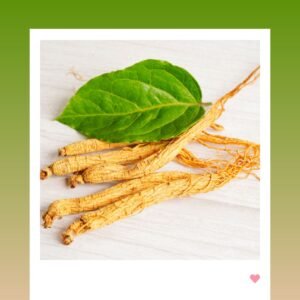
1.1 What is Ginseng?
Ginseng is a slow-growing root known for its adaptogenic qualities that help the body combat stress and restore balance. The root is part of the Panax genus, which literally means “all-healing” in Greek—a fitting name for an herb with such a broad range of uses.
It comes in different species, but the most commonly used are:
- Panax ginseng (Asian or Korean ginseng)
- Panax quinquefolius (American ginseng)
Both are used medicinally, but the way they’re processed determines whether they become red or white ginseng.
1.2 A Look at the Origins and History
Ginseng’s use goes back over 2,000 years, particularly in Traditional Chinese Medicine (TCM) and Korean herbal medicine. In these ancient systems, it was considered a superior tonic—used to increase Qi, enhance longevity, and improve overall vitality.
In North America, Native tribes also used wild American ginseng for its cooling and calming effects.
2. Red Ginseng vs. White Ginseng: What’s the Real Difference?
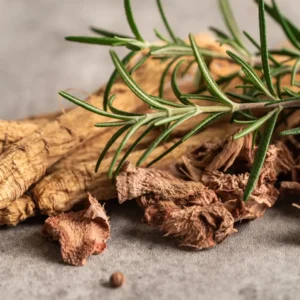
2.1 Processing Methods: Steamed vs. Dried
The most notable difference between red and white ginseng lies in how they’re processed.
- White ginseng is simply peeled and dried—usually in the sun.
- Red ginseng, on the other hand, is steamed before drying. This steaming process enhances the potency of certain compounds, especially ginsenosides.
2.2 Color, Taste, and Texture
- White ginseng has a pale beige appearance and a milder, slightly bitter taste.
- Red ginseng takes on a darker, reddish-brown hue and has a stronger, earthy flavor.
Texture-wise, red ginseng is usually tougher and more fibrous due to the steaming.
2.3 Different Energetic Properties in Traditional Medicine
In traditional medicine systems:
- Red ginseng is warming, invigorating Yang energy.
- White ginseng is cooling, making it ideal for people who run hot or are prone to agitation.
Choosing between the two often depends on your constitution, climate, and specific health goals.
3. Health Benefits of Red Ginseng
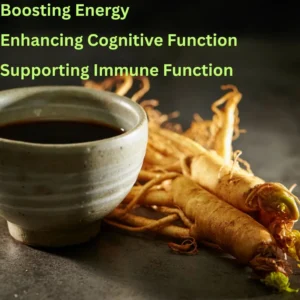
3.1 Boosting Energy and Fighting Fatigue
Red ginseng is prized for its energizing effects. It helps fight fatigue, especially in people recovering from illness or dealing with chronic stress. Many athletes and high performers use it as a natural pre-workout or daily pick-me-up.
Clinical studies even show red ginseng can improve physical stamina and reduce oxidative stress.
3.2 Enhancing Cognitive Function
Need a brain boost? Red ginseng has been shown to support mental clarity, memory, and attention span, especially under stress. It may also help protect brain cells from aging and inflammation.
Pair it with other nootropic herbs like lion’s mane or gotu kola for added effect.
3.3 Supporting Immune Function
Red ginseng is loaded with ginsenosides—compounds that stimulate immune cells, improve antibody production, and help the body fight infections more effectively.
4. Health Benefits of White Ginseng
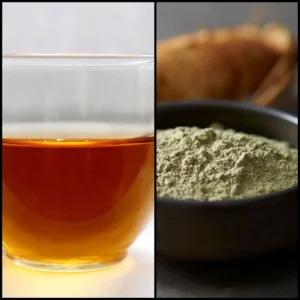
4.1 Promoting Calmness and Reducing Stress
Unlike red ginseng’s stimulating effects, white ginseng has a gentler touch. It supports relaxation, reduces mental fog, and helps ease tension in the body.
This makes it ideal for people with high anxiety, sleep problems, or sensitive nervous systems.
4.2 Aiding Digestion and Metabolism
White ginseng has long been used in traditional medicine to strengthen the digestive fire, especially in people with weak appetite, bloating, or sluggish metabolism.
It also stimulates gentle detox pathways, making it a great addition to a gut healing routine.
4.3 Supporting Blood Sugar and Cardiovascular Health
Studies suggest white ginseng can help regulate blood sugar levels, reduce insulin resistance, and support heart health by lowering LDL cholesterol and improving circulation.
5. Red Ginseng vs. White Ginseng for Weight Management

5.1 How Red Ginseng Boosts Metabolism
Red ginseng can help rev up your metabolism, allowing the body to burn calories more efficiently. It also reduces fatigue, which can keep you motivated for workouts and active lifestyles.
5.2 White Ginseng’s Gentle Support for Digestion and Weight Loss
White ginseng may not torch calories like red, but it aids weight management by improving digestion, curbing stress eating, and balancing hormones that impact appetite.
5.3 Which Is Better for Weight Loss? A Balanced View
Ultimately, both red and white ginseng can support weight loss—but in different ways. Red is better for those needing an energy boost, while white is ideal for those with digestive or emotional eating challenges.
6. How to Use Ginseng: Forms, Dosages & Best Practices
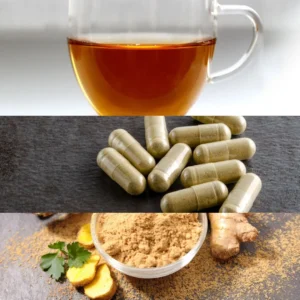
6.1 Choosing Between Capsules, Teas, and Extracts
- Capsules: Best for convenience and consistent dosing.
- Teas: A traditional and soothing way to enjoy ginseng.
- Extracts/Tinctures: Highly potent and fast-acting.
Always choose organic, non-GMO, and third-party tested products.
6.2 When and How to Take Ginseng for Maximum Effect
For energy and focus, take red ginseng in the morning or before workouts. White ginseng is best taken in the evening or during times of rest.
Avoid combining ginseng with high doses of caffeine.
6.3 Possible Side Effects and Safety Considerations
Though generally safe, ginseng can sometimes cause:
- Headaches
- Sleep issues (if taken too late)
- Digestive upset
Pregnant women and people on certain medications should consult a doctor first.
7. Natural Companions: Other Herbal Remedies That Work Well with Ginseng
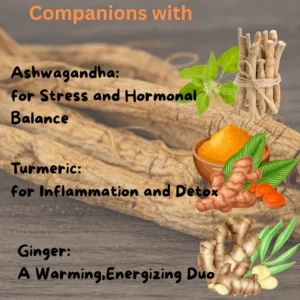
7.1 Ashwagandha for Stress and Hormonal Balance
Pairing ginseng with ashwagandha creates a powerful stress-fighting blend that balances cortisol, supports thyroid function, and promotes emotional stability.
7.2 Turmeric for Inflammation and Detox
Turmeric and ginseng make a great team. Ginseng boosts energy while turmeric supports liver detox, joint health, and inflammation control.
7.3 Ginger and Ginseng: A Warming, Energizing Duo
Ginger enhances circulation and digestion, while ginseng boosts stamina and energy. Together, they make an excellent daily tonic—especially in colder months.
8. Real-Life Stories: How People Use Ginseng for Health
8.1 A Busy Professional Finds Focus with Red Ginseng
Sarah, a marketing executive, was drowning in deadlines and mental fog. After incorporating red ginseng tea into her mornings, she noticed sharper focus and less afternoon fatigue. “It’s like I swapped my brain for a better one,” she laughs.
8.2 A Wellness Enthusiast Uses White Ginseng for Gut Health
David, a yoga instructor, swears by white ginseng for its calming and digestive benefits. “I used to bloat after every meal. Since adding white ginseng, my gut feels way more balanced.”
9. Ginseng in Traditional Medicine Systems
9.1 Ginseng in Traditional Chinese Medicine (TCM)
In TCM, ginseng is a key herb for tonifying Qi, especially when someone is weak, depleted, or overworked. It’s also used in formulas for chronic fatigue, memory loss, and poor digestion.
9.2 Korean Herbal Traditions and Red Ginseng
Red ginseng is Korea’s national treasure. Used to promote vitality and fight disease, it’s often gifted during holidays or included in traditional dishes like Samgyetang.
9.3 Ginseng in Western Herbalism
In the West, ginseng has gained traction as an adaptogen—a plant that helps the body adapt to stress. It’s often blended with herbs like rhodiola, eleuthero, or maca.
10. Where to Buy Quality Ginseng and What to Look For
10.1 Trusted Brands and Certifications
Look for:
- Organic certification
- GMP manufacturing
- Transparency in sourcing (e.g., wild-crafted, Korean-grown)
Trusted brands include KGC CheongKwanJang, Nature’s Answer, and NOW Foods.
10.2 Spotting Fake or Low-Quality Ginseng
Beware of:
- Products with fillers
- Super cheap prices
- Lack of clear sourcing
If the label doesn’t list ginsenoside content, that’s a red flag.
11. Ginseng in the Kitchen: Delicious Recipes
11.1 Red Ginseng Tea with Honey and Lemon
Ingredients:
- 1 red ginseng root or tea bag
- 1 tsp honey
- 1 slice of lemon
Boil the root for 15–20 minutes. Add honey and lemon to taste. Enjoy warm.
11.2 White Ginseng Chicken Soup (Samgyetang Style)
This nourishing Korean soup is made with whole chicken, glutinous rice, garlic, jujube, and white ginseng root. It’s hearty, immune-boosting, and deeply comforting.
12. Wrapping It Up: Choosing the Right Ginseng for You
Whether you’re seeking energy, stress relief, better digestion, or holistic healing—there’s a ginseng out there that aligns with your needs.
- Choose red ginseng if you’re low on energy, mentally foggy, or recovering from illness.
- Choose white ginseng if you’re sensitive to stimulation, dealing with stress, or need digestive support.
Nature has a way of giving us just what we need—and sometimes, it comes in the form of a humble root.
FAQ: Your Ginseng Questions Answered
1. Can I take both red and white ginseng together?
Yes, but it’s best to consult a herbalist to tailor it to your body type and goals.
2. How long does it take for ginseng to work?
Most people notice effects within 2–4 weeks.
3. Is ginseng safe during pregnancy?
Generally not recommended without medical guidance.
4. Can ginseng replace coffee?
Red ginseng is a fantastic natural energy booster—no jitters, no crash.
5. How do I store ginseng?
Keep in a cool, dry place. Refrigerate fresh root.
.
0 Comments