
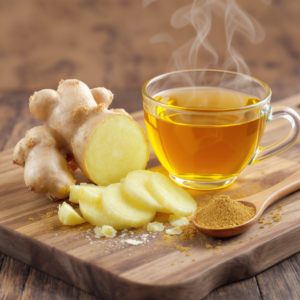
Ginger root (Zingiber officinale) has been used for centuries as a culinary spice and a medicinal remedy. Rich in bioactive compounds, this remarkable root offers many health benefits, from aiding digestion to reducing inflammation. Whether consumed fresh, dried, powdered, or in supplement form, ginger plays a significant role in human health.
Nutritional Benefits of Ginger Root
Ginger is packed with essential nutrients and bioactive compounds, making it a powerful addition to any diet. Some of its key components include:
- Gingerol – The primary bioactive compound responsible for its anti-inflammatory and antioxidant properties.
- Vitamins and Minerals – Ginger contains vitamin C, B6, magnesium, and potassium, which contribute to overall health.
- Dietary Fiber – Aids in digestion and promotes gut health.
Ginger in Supplements and Medications
Ginger is widely used in dietary supplements and pharmaceutical products due to its therapeutic properties. Some of the key applications include:
1. Ginger for Digestive Health: A Natural Remedy
Ginger has long been used in traditional medicine to aid digestion and soothe the stomach. Thanks to its bioactive compounds, particularly gingerol and shogaol, ginger helps stimulate digestion, reduce bloating, and relieve nausea. Here’s how it benefits the digestive system:
a) Relieves Nausea and Motion Sickness
One of the most well-known benefits of ginger is its ability to alleviate nausea. Whether due to motion sickness, pregnancy, or medical treatments like chemotherapy, ginger can be an effective natural remedy.
🔹 How it works: Gingerol interacts with the gastrointestinal system and central nervous system, helping to block signals that trigger nausea and vomiting.
🔹 Scientific Evidence:
A study published in The Journal of Alternative and Complementary Medicine found that ginger was as effective as some anti-nausea medications, such as dimenhydrinate (Dramamine), in preventing motion sickness.
🔹 How to Use:
- Drink ginger tea (steep fresh ginger slices in hot water).
- Take ginger supplements (capsules or chewable tablets).
- Eat crystallized ginger as a snack before travel.
👉 Example Medication: Emetrol (a nausea relief product that includes ginger extract).
b) Aids Digestion and Relieves Indigestion (Dyspepsia)
Ginger can help with indigestion and bloating by stimulating digestive enzymes and speeding up gastric emptying.
🔹 How it works:
- Ginger stimulates the production of saliva, bile, and digestive enzymes, which help break down food efficiently.
- It reduces gas and bloating by relaxing the intestinal muscles.
- Ginger helps speed up gastric emptying, preventing the feeling of fullness and discomfort after meals.
🔹 Scientific Evidence:
A study published in The European Journal of Gastroenterology & Hepatology found that ginger sped up stomach emptying by 25–50%, reducing discomfort from slow digestion.
🔹 How to Use:
- Drink ginger tea before or after meals.
- Take ginger capsules if you frequently experience bloating.
- Add fresh or powdered ginger to meals to aid digestion.
c) Helps with Acid Reflux and Heartburn
While many people take antacids to relieve acid reflux, ginger provides a natural alternative that reduces stomach acidity without side effects.
🔹 How it works:
- Ginger has anti-inflammatory properties that soothe the esophagus and reduce irritation from stomach acid.
- It promotes gut motility, preventing food from sitting too long in the stomach (which can trigger acid reflux).
🔹 How to Use:
- Sip warm ginger tea with a bit of honey.
- Avoid overly spicy foods and pair ginger with soothing herbs like chamomile.
- Take a small amount of ginger extract before meals to prevent reflux.
👉 Example Supplement: Ginger Chews by The Ginger People (used for digestive relief).
d) Supports Gut Health and Prevents Inflammation
Ginger has prebiotic properties, meaning it helps promote the growth of good gut bacteria while reducing harmful microbes. A balanced gut microbiome is essential for overall digestive health.
🔹 How it works:
- Reduces inflammation in the gut, which can help with conditions like irritable bowel syndrome (IBS).
- Boosts gut microbiota by encouraging the growth of beneficial bacteria.
- Fights gut infections, including those caused by H. pylori, a bacteria linked to ulcers.
🔹 Scientific Evidence:
Research published in Molecular Nutrition & Food Research suggests that ginger reduces gut inflammation and oxidative stress, which can improve symptoms of digestive disorders.
🔹 How to Use:
- Consume fermented ginger (ginger-infused kombucha or ginger pickles).
- Take ginger probiotics in supplement form.
- Add fresh ginger to your daily meals.
👉 Example Medication: Prevacid (Lansoprazole) + Ginger (some natural formulations include ginger for extra digestive support).
2. Anti-Inflammatory and Pain Relief: How Ginger Helps Reduce Pain and Swelling
Ginger is widely recognized for its strong anti-inflammatory and analgesic (pain-relieving) properties. The key compounds responsible for these effects are gingerols and shogaols, which help reduce inflammation, alleviate muscle pain, and improve conditions like arthritis. This makes ginger an excellent natural alternative to synthetic painkillers like ibuprofen.
a) Ginger’s Anti-Inflammatory Effects 🌱
Chronic inflammation is a major contributor to many health problems, including arthritis, muscle pain, and cardiovascular diseases. The bioactive compounds in ginger help combat inflammation at a molecular level.
🔹 How it works:
- Ginger inhibits pro-inflammatory cytokines (molecules that promote inflammation in the body).
- It blocks COX-2 and 5-LOX enzymes, similar to how nonsteroidal anti-inflammatory drugs (NSAIDs) like ibuprofen work.
- Ginger has antioxidant properties that neutralize free radicals, reducing oxidative stress and cellular damage.
📌 Scientific Evidence:
🔗 Study: Anti-inflammatory effects of ginger in chronic conditions
📜 Summary: A study in The Journal of Medicinal Food found that ginger extract significantly reduced inflammatory markers in people with osteoarthritis and chronic pain.
b) Ginger for Osteoarthritis and Joint Pain 🦴
Osteoarthritis (OA) is a common condition that leads to joint pain, stiffness, and reduced mobility. Many people rely on NSAIDs to manage symptoms, but ginger offers a natural alternative without the side effects of painkillers.
🔹 How it works:
- Ginger reduces pain and swelling by lowering prostaglandin production, similar to how aspirin and ibuprofen function.
- It improves mobility and flexibility in people with osteoarthritis.
- Studies suggest that daily ginger supplementation can significantly reduce pain levels in OA patients.
📌 Scientific Evidence:
🔗 Study: Ginger as an alternative treatment for osteoarthritis
📜 Summary: Research published in Arthritis & Rheumatism showed that ginger extract reduced knee pain by 40% in osteoarthritis patients compared to a placebo.
🔹 How to Use:
- Take ginger capsules (250 mg–500 mg twice daily).
- Drink ginger tea to reduce inflammation naturally.
- Apply ginger essential oil topically to sore joints.
👉 Example Supplement: Nature’s Bounty Ginger Root Capsules (supports joint health and inflammation reduction).
c) Ginger for Muscle Pain and Post-Workout Recovery 💪
Ginger is also effective in reducing muscle pain and soreness, particularly after exercise or intense physical activity. It helps with muscle recovery by reducing inflammation and improving blood circulation.
🔹 How it works:
- Ginger lowers levels of prostaglandins, which contribute to muscle soreness.
- It improves circulation, helping to deliver oxygen and nutrients to tired muscles.
- Ginger’s antioxidants speed up muscle recovery and reduce oxidative stress.
📌 Scientific Evidence:
🔗 Study: Ginger’s effects on muscle pain after exercise
📜 Summary: A study in The Journal of Pain found that consuming 2 grams of ginger daily for 11 days reduced muscle pain by 25% after exercise.
🔹 How to Use:
- Drink ginger-infused smoothies after workouts.
- Take ginger supplements to speed up muscle recovery.
- Apply warm ginger compresses to sore muscles.
👉 Example Supplement: NOW Ginger Capsules (used for muscle recovery and pain relief).
d) Ginger for Headaches and Migraines 🤕
Ginger can also help with tension headaches and migraines by reducing inflammation in blood vessels and acting as a natural pain reliever.
🔹 How it works:
- Ginger blocks inflammatory pathways linked to migraine pain.
- It helps improve blood circulation, reducing headache intensity.
- It reduces nausea often associated with migraines.
📌 Scientific Evidence:
🔗 Study: Ginger’s effectiveness for migraines
📜 Summary: A clinical trial published in Phytotherapy Research found that ginger powder was as effective as sumatriptan (a common migraine medication) in reducing migraine severity.
🔹 How to Use:
- Take ginger powder (250 mg) at the onset of a headache.
- Drink ginger tea with lemon to soothe migraine symptoms.
- Inhale ginger essential oil for fast relief.
👉 Example Medication: Migraine Stick (Peppermint + Ginger Essential Oil Blend) for headache relief.
e) Ginger for Menstrual Pain Relief (Dysmenorrhea) 🩸
Ginger is also highly effective for reducing menstrual cramps and pain, often providing relief comparable to ibuprofen.
🔹 How it works:
- Ginger reduces prostaglandins, the hormone-like substances that trigger menstrual cramps.
- It relaxes the uterus, easing contractions and pain.
- It improves blood flow, helping to reduce bloating and discomfort.
📌 Scientific Evidence:
🔗 Study: Ginger vs. ibuprofen for menstrual cramps
📜 Summary: Research published in The Journal of Alternative and Complementary Medicine found that ginger (250 mg, four times daily) was as effective as ibuprofen (400 mg, three times daily) in reducing menstrual pain.
🔹 How to Use:
- Drink warm ginger tea during menstruation.
- Take ginger supplements (250 mg–500 mg per dose).
- Use a ginger-infused heating pad for cramp relief.
👉 Example Supplement: Gaia Herbs Ginger Capsules (often used for menstrual and digestive relief).
Conclusion
Ginger is a powerful natural anti-inflammatory that helps with joint pain, muscle recovery, headaches, migraines, and menstrual cramps. Whether taken as a tea, supplement, or essential oil, it provides a safe, natural, and effective alternative to painkillers.
💡 Have you tried using ginger for pain relief? Let me know in the comments! 😊🌿
3. Ginger and the Immune System: A Natural Booster for Your Health
A strong immune system is essential for fighting infections, reducing inflammation, and maintaining overall health. Ginger (Zingiber officinale) has been used for centuries as a natural immune booster due to its antimicrobial, anti-inflammatory, and antioxidant properties. Whether consumed fresh, as a tea, or in supplement form, ginger can help strengthen the body’s natural defenses and protect against colds, flu, and other illnesses.
a) Ginger’s Role in Strengthening Immunity 🛡️
Ginger contains bioactive compounds like gingerol, shogaol, and paradol, which have been shown to enhance immune function and combat infections.
🔹 How it works:
- Antioxidant Protection – Ginger neutralizes free radicals that cause cellular damage and weaken the immune system.
- Anti-Inflammatory Effects – Reduces chronic inflammation, which can suppress immune function.
- Antimicrobial Properties – Fights bacteria, viruses, and fungi, helping prevent infections.
- Supports White Blood Cells (WBCs) – Stimulates the production of immune cells that fight infections.
📌 Scientific Evidence:
🔗 Study: Ginger’s immune-boosting properties
📜 Summary: Research published in The International Journal of Preventive Medicine found that ginger enhances immune response by reducing oxidative stress and inflammation, making it an effective natural remedy for preventing infections.
🔹 How to Use:
- Drink ginger tea daily to support immunity.
- Take ginger supplements during flu season.
- Add fresh ginger to meals for regular immune support.
👉 Example Supplement: Nature’s Way Ginger Root Capsules (supports immune and digestive health).
b) Ginger’s Antiviral and Antibacterial Properties 🦠
Ginger has been shown to fight bacterial and viral infections, making it a powerful natural remedy for colds, flu, and respiratory infections.
🔹 How it works:
- Kills Harmful Bacteria – Ginger has antimicrobial effects against pathogens like E. coli and Salmonella.
- Fights Respiratory Viruses – Helps inhibit viruses like the common cold, flu (Influenza A and B), and RSV.
- Clears Congestion – Acts as a natural decongestant by loosening mucus and clearing the respiratory tract.
📌 Scientific Evidence:
🔗 Study: Ginger’s antiviral effects against influenza
📜 Summary: A study in The Journal of Ethnopharmacology found that fresh ginger was effective in inhibiting the growth of respiratory viruses, particularly in the early stages of infection.
🔹 How to Use:
- Drink ginger and honey tea for cough and sore throat relief.
- Inhale ginger steam to clear nasal congestion.
- Take ginger extract at the first sign of a cold or flu.
👉 Example Supplement: Ginger-Turmeric Lozenges (helps soothe throat irritation and boost immunity).
c) Ginger and Gut Health: A Key to a Strong Immune System 🦠🌱
Did you know that 70% of the immune system is in the gut? A healthy gut microbiome is essential for strong immunity, and ginger helps by promoting beneficial gut bacteria and reducing inflammation in the digestive tract.
🔹 How it works:
- Prebiotic Effects – Encourages the growth of healthy gut bacteria (Lactobacillus and Bifidobacterium).
- Reduces Gut Inflammation – Helps manage conditions like leaky gut syndrome and IBS (Irritable Bowel Syndrome).
- Protects Against Infections – Fights harmful gut bacteria like Helicobacter pylori (which can cause ulcers).
📌 Scientific Evidence:
🔗 Study: Ginger’s impact on gut microbiota
📜 Summary: Research in Molecular Nutrition & Food Research found that ginger positively influences gut bacteria, reducing harmful microbes and supporting a healthy immune system.
🔹 How to Use:
- Take ginger probiotics for gut and immune health.
- Drink ginger-infused kombucha for a probiotic boost.
- Eat fermented ginger pickles to enhance gut bacteria.
👉 Example Supplement: Ginger Probiotic Capsules (supports gut flora and immunity).
d) Ginger for Reducing Inflammation and Autoimmune Conditions 🔥
Chronic inflammation can weaken the immune system, making the body more vulnerable to infections and diseases. Ginger has been found to reduce inflammation and help manage autoimmune conditions like rheumatoid arthritis, lupus, and multiple sclerosis.
🔹 How it works:
- Lowers Cytokine Production – Reduces inflammatory markers like TNF-α and IL-6.
- Regulates Immune Response – Prevents the immune system from attacking healthy cells (a key issue in autoimmune disorders).
- Supports Cellular Health – Helps repair damaged tissues and improve overall immune balance.
📌 Scientific Evidence:
🔗 Study: Ginger’s effects on inflammation and autoimmune diseases
📜 Summary: A study published in The Journal of Nutrition found that ginger significantly reduced inflammation in autoimmune disorders by modulating the immune response.
🔹 How to Use:
- Take ginger and turmeric capsules for anti-inflammatory support.
- Drink golden milk (ginger + turmeric + coconut milk) to reduce chronic inflammation.
- Apply ginger essential oil topically for joint pain relief.
👉 Example Supplement: Gaia Herbs Ginger-Turmeric Complex (supports immune and inflammatory response).
e) Ginger and Antioxidants: Fighting Free Radicals 🛡️⚡
Ginger is rich in antioxidants, which help protect cells from oxidative stress and aging. Antioxidants play a crucial role in:
- Strengthening immune cells to fight infections.
- Reducing DNA damage, which can lead to chronic diseases.
- Supporting skin and organ health by neutralizing harmful free radicals.
📌 Scientific Evidence:
🔗 Study: Ginger’s antioxidant effects
📜 Summary: Research in Food & Function Journal found that ginger significantly boosted antioxidant enzyme levels in the body, helping to prevent cellular damage and aging.
🔹 How to Use:
- Drink ginger and lemon water in the morning for an antioxidant boost.
- Eat ginger-spiced foods for daily protection.
- Take ginger extract capsules to enhance cellular health.
👉 Example Supplement: Solgar Ginger Root Extract (high in antioxidants for immune and cellular protection).
Conclusion
Ginger is a powerful natural immune booster, helping the body fight infections, improve gut health, reduce inflammation, and neutralize harmful free radicals. Whether used for colds, flu, or chronic inflammation, ginger is a safe, effective, and delicious way to strengthen immunity.
💡 Do you use ginger to boost your immune system? Share your thoughts below! 😊🌿
4. Blood Sugar and Heart Health: How Ginger Supports Metabolism and Cardiovascular Wellness
Maintaining stable blood sugar levels and a healthy heart is essential for preventing diseases like diabetes, high blood pressure, and cardiovascular conditions. Ginger (Zingiber officinale) plays a key role in these areas due to its antioxidant, anti-inflammatory, and metabolic properties.
Studies show that ginger can help regulate blood sugar, improve insulin sensitivity, lower cholesterol, and protect the heart. Whether consumed as tea, in supplement form, or as a spice, incorporating ginger into your diet can have long-term protective effects.
a) Ginger and Blood Sugar Control (Diabetes Management) 🩸
High blood sugar (hyperglycemia) is a major risk factor for type 2 diabetes and heart disease. Ginger helps regulate blood sugar levels by enhancing insulin function and glucose metabolism.
🔹 How it works:
- Improves insulin sensitivity – Ginger helps cells use insulin more efficiently, reducing insulin resistance (a key issue in diabetes).
- Lowers fasting blood sugar – Regular ginger consumption helps reduce blood sugar levels, preventing dangerous spikes.
- Increases glucose absorption in muscle cells, independent of insulin, helping to regulate energy levels.
📌 Scientific Evidence:
🔗 Study: Ginger’s effect on blood sugar levels in diabetes
📜 Summary: A study published in The Journal of Complementary and Integrative Medicine found that taking 2 g of ginger daily for 12 weeks lowered fasting blood sugar by 12% and increased insulin sensitivity by 10% in diabetic patients.
🔹 How to Use:
- Drink ginger tea after meals to help stabilize blood sugar.
- Take ginger supplements (1–2 g/day) for prediabetes or type 2 diabetes.
- Add fresh or powdered ginger to meals as a natural blood sugar regulator.
👉 Example Supplement: Nature’s Way Ginger Root Capsules (supports blood sugar and metabolism).
b) Ginger for Lowering Cholesterol and Triglycerides 🩹
High levels of LDL cholesterol (“bad” cholesterol) and triglycerides increase the risk of heart disease. Ginger helps reduce these levels while boosting “good” HDL cholesterol.
🔹 How it works:
- Inhibits cholesterol absorption in the intestines.
- Increases bile acid excretion, helping to lower LDL cholesterol.
- Reduces triglycerides, which are strongly linked to cardiovascular disease.
📌 Scientific Evidence:
🔗 Study: The cholesterol-lowering effects of ginger
📜 Summary: A study in Phytotherapy Research showed that taking 3 g of ginger powder per day reduced LDL cholesterol by 10% and triglycerides by 17% after 45 days.
🔹 How to Use:
- Add ginger powder to smoothies and juices.
- Take ginger capsules to support cholesterol regulation.
- Eat pickled ginger as a natural cholesterol-lowering condiment.
👉 Example Supplement: Ginger Heart & Cholesterol Formula by Gaia Herbs (supports cardiovascular health).
c) Ginger and Blood Pressure Regulation (Hypertension) 🏥
High blood pressure (hypertension) is a major risk factor for heart attacks and strokes. Ginger acts as a natural vasodilator, helping to relax blood vessels and improve circulation.
🔹 How it works:
- Relaxes blood vessels, improving blood flow.
- Lowers systolic and diastolic blood pressure, especially in people with mild to moderate hypertension.
- Inhibits calcium channels, similar to some blood pressure medications.
📌 Scientific Evidence:
🔗 Study: The effect of ginger on blood pressure
📜 Summary: A study published in The Journal of Hypertension found that people who consumed ginger daily had lower blood pressure, particularly those over 50.
🔹 How to Use:
- Drink ginger-lemon juice for natural blood pressure balance.
- Add ginger to soups and spicy dishes.
- Take ginger-hibiscus tea, another natural ally for blood pressure control.
👉 Example Supplement: Blood Pressure Support with Ginger & Hawthorn by NOW Foods.
d) Ginger for Reducing Heart Disease Risk ❤️
Plaque buildup in arteries (atherosclerosis) is a major cause of heart attacks and strokes. Ginger helps reduce artery inflammation and improve circulation, lowering the risk of cardiovascular disease.
🔹 How it works:
- Reduces inflammation in arterial walls, preventing plaque formation.
- Improves blood circulation, lowering the risk of blood clots.
- Protects the heart from oxidative stress, reducing damage to heart cells.
📌 Scientific Evidence:
🔗 Study: Ginger’s cardiovascular protective effects
📜 Summary: Research in Cardiovascular Drugs and Therapy found that ginger extract improved circulation, reduced arterial stiffness, and lowered oxidative stress in heart cells, helping to prevent cardiovascular disease.
🔹 How to Use:
- Take ginger supplements for daily heart protection.
- Consume ginger-infused olive oil in salads and meals.
- Drink warm ginger water in the morning to promote healthy circulation.
👉 Example Supplement: Cardio-Ginger Complex by Herb Pharm (supports heart and vascular health).
Conclusion
Ginger is a powerful natural remedy for regulating blood sugar, lowering cholesterol, reducing blood pressure, and protecting heart health. Whether consumed as a tea, supplement, or food ingredient, ginger provides a safe, effective, and natural way to improve metabolic and cardiovascular wellness.
💡 Have you tried using ginger for heart health? Share your thoughts below! 😊🌿

0 Comments